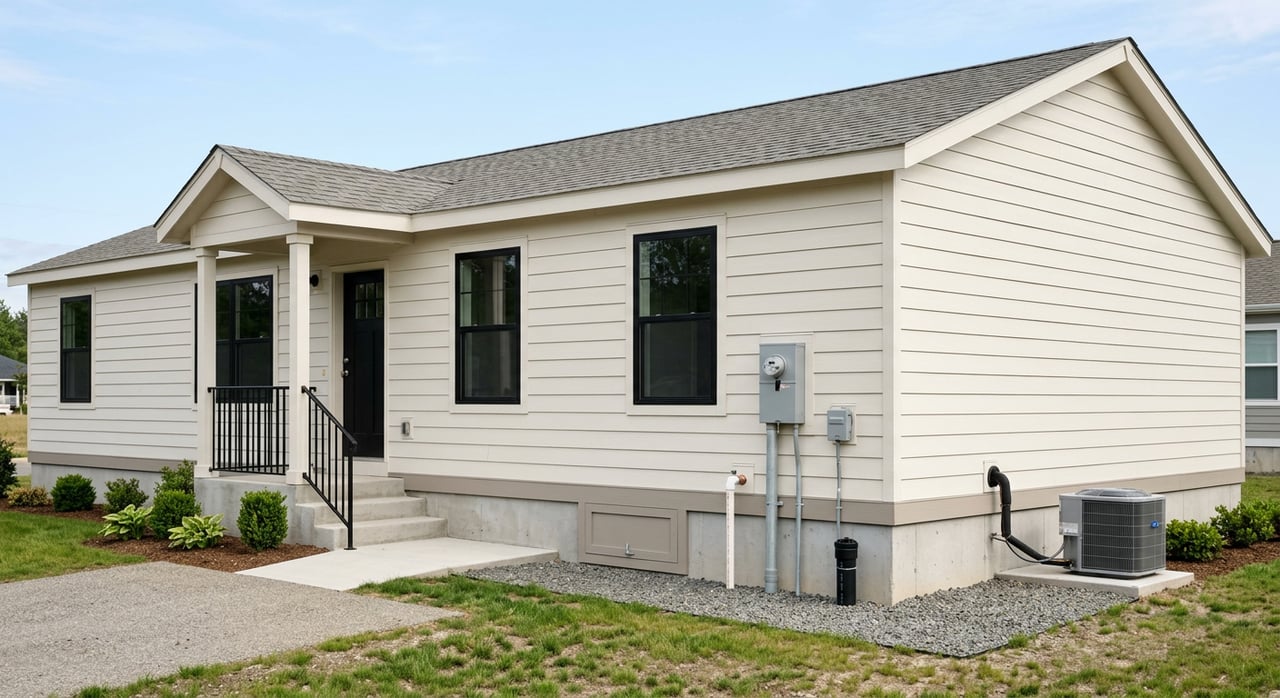
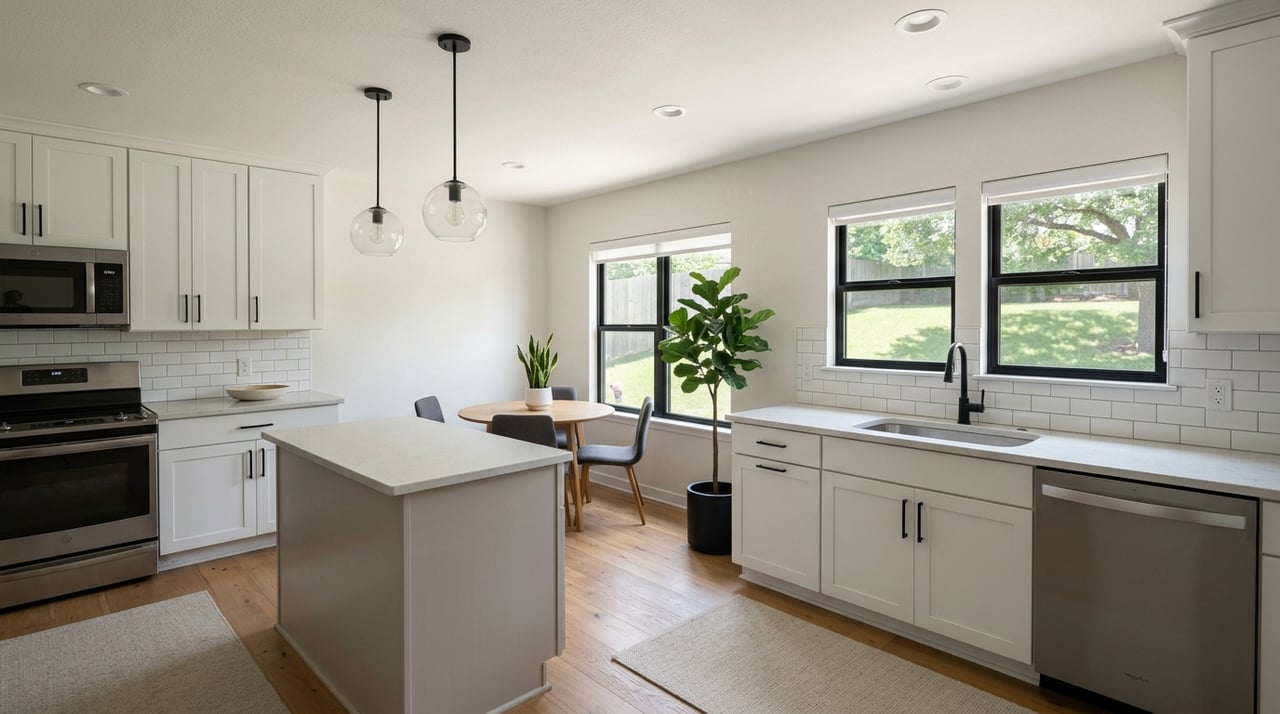
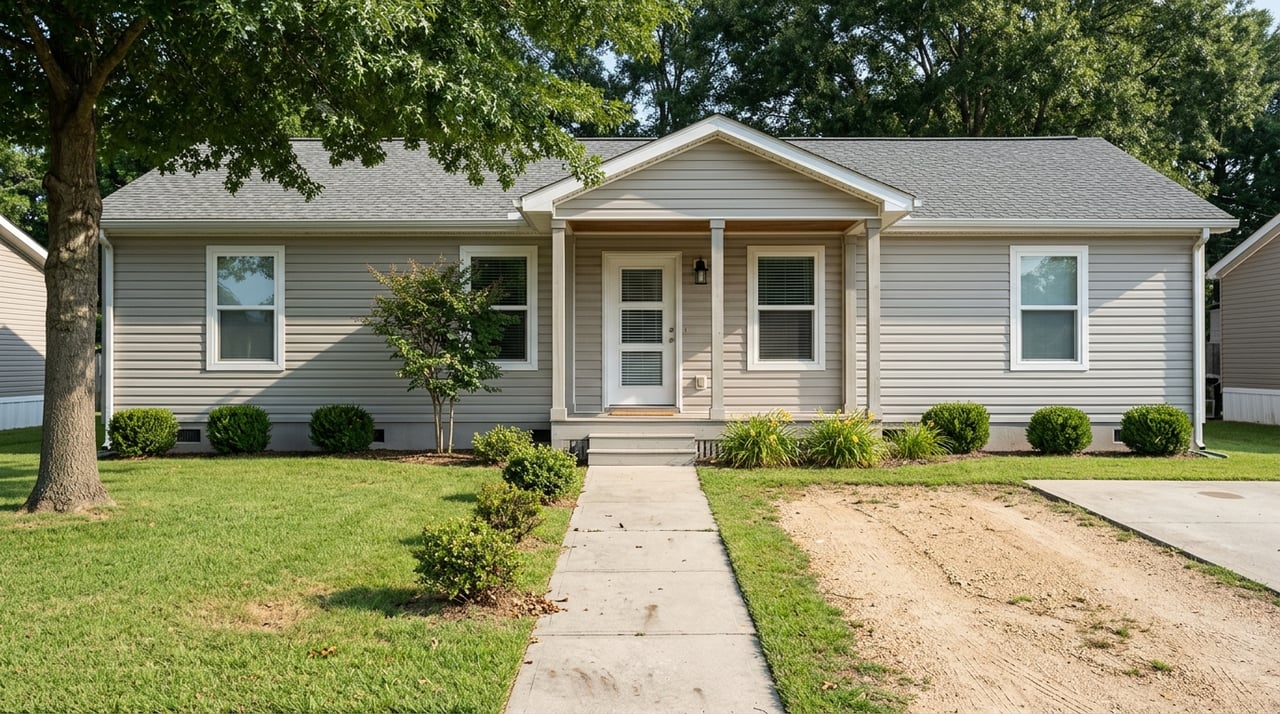
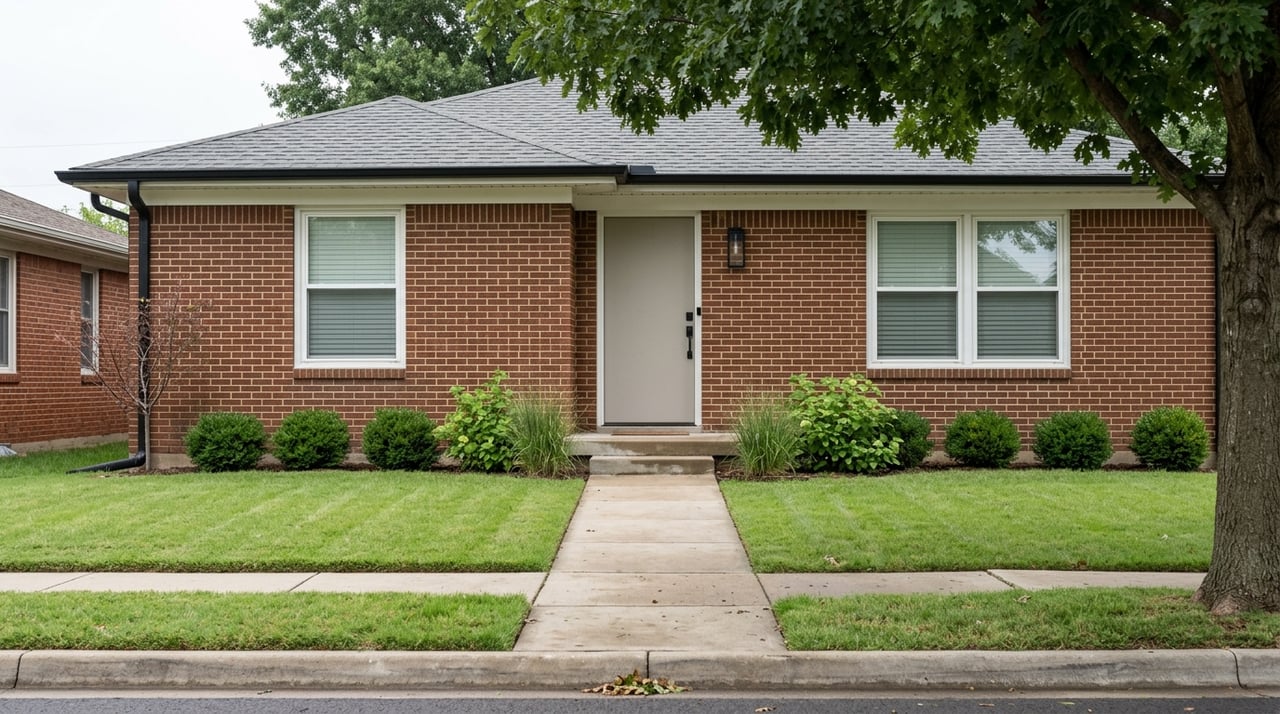
Thinking about placing a manufactured home on land in Shawnee? The right lot can save you time and money, but the wrong one can bring surprise fees, delays, and red tape. You want a clear path from offer to move-in without guesswork.
In this guide, you’ll learn how to confirm zoning, line up permits, schedule inspections, and secure utility hookups for a manufactured home in Shawnee and unincorporated Pottawatomie County. You will also get a simple checklist to follow before you write an offer. Let’s dive in.
Start with zoning and jurisdiction
Before you look at floor plans or delivery dates, confirm whether your target parcel actually allows a manufactured home. Your steps depend on whether the land is inside Shawnee city limits or in unincorporated Pottawatomie County.
- Inside city limits, the City’s Unified Development Code controls what you can place on a lot. Check the UDC’s use table and definitions to see where manufactured homes are permitted by right, permitted with conditions, or limited to specific communities. You can review the City’s code framework in the UDC resource at Shawnee’s UDC reference.
- Outside city limits, county and state rules apply. Zoning varies by area, and septic and well approvals run through county health.
Call the City’s Planning/Permits office and request a written zoning determination for the specific parcel. Ask for the parcel’s zoning district and whether a manufactured home is allowed, allowed with conditions, or not permitted. The City lists permits and staff contacts on its Applications, Permits & Inspections page.
If the lot is inside Shawnee
Expect one of a few outcomes when you check the UDC for your zoning district:
- Manufactured homes are permitted in certain residential or TA/ag districts.
- They are allowed only in a manufactured-home park or a Planned Unit Development.
- They may be allowed as an accessory or temporary use with special conditions.
- They are not allowed in that district.
Because each parcel is unique, rely on the official zoning determination for your address rather than assumptions.
If the lot is in unincorporated Pottawatomie County
County regulations vary by area, and utility access can differ from one road to the next. For septic and well questions, contact the Pottawatomie County Health Department for distances, caps, and permit steps. You can find county health contacts on the Pottawatomie County Health Department services page.
Permits and approvals you will likely need
Your permit mix depends on the parcel and available utilities. Inside city limits, plan for these common approvals through the City’s permit office. Details and contacts are posted on the City’s permits page.
- Residential building permit for placement, foundation, and attachment details.
- Plumbing permit, including the mobile home connection option and water/sewer tap items.
- On-site sewage system permit if public sewer is not available.
- Water well permit if you plan a private well.
- Driveway and culvert permit for a new entrance or changes within the right-of-way.
- Floodplain permit if the lot is in or near a mapped flood area.
- Land disturbance or erosion control permits for grading or clearing.
- Moving or oversize permits for transport routing as needed.
State installation rules and inspections
Oklahoma requires a certified installation inspection for all new manufactured-home installations. Plan to hire an Oklahoma-licensed installer and ensure the state-required inspection is scheduled and documented. You can read the inspection requirement at Oklahoma’s certified installation inspection rule, and see installer licensing details in the state’s installer application guidance.
Your installer will follow the manufacturer’s written instructions. Where local or state code is silent, the federal HUD Model Installation Standards apply. You can review the HUD program overview at the HUD Office of Manufactured Housing Programs and the federal installation standards at 24 CFR part 3285.
Utilities: plan your hookups and costs
Do not assume utilities are simple or nearby. Ask each provider for a written service-availability response and an itemized estimate for any tap fees, meter sets, or line extensions.
- City water and sewer. Inside Shawnee, the City handles water and wastewater connections. Request a water/sewer availability letter for your parcel, including tap sizes, meter requirements, and fees. The City’s permits page lists the plumbing permit and tap-fee information.
- Electricity. In the Shawnee area, Oklahoma Gas & Electric (OG&E) provides service. Contact OG&E to confirm capacity, meter location requirements, and any transformer or extension costs. Use the local listing for the OG&E Shawnee Service Center as a starting point to get connected.
- Natural gas. Oklahoma Natural Gas serves many sites in and around Shawnee. Ask about service availability, main extensions, meter placement, and safety clearances. If gas is not available, you may need propane. A local reference for the Oklahoma Natural Gas Shawnee Service Center can help you reach the right team.
- Internet and phone. Availability is address-specific. Providers often serve one side of a road but not the other. Check by exact address before you commit to a parcel.
What to request from each utility:
- A written service-availability letter for your address.
- An itemized estimate of all fees: tap or impact fees, meter fees, inspection or connection fees, and any line or transformer extension costs.
- Any required easements, site clearances, and lead times for scheduling.
Step-by-step checklist before you buy
Use this two-part checklist to avoid surprises and keep your timeline on track.
Pre-offer steps
- Confirm jurisdiction and zoning. Ask the City of Shawnee Planning Department for a parcel map and a written zoning determination, or confirm with the county if unincorporated. The UDC reference is here: Shawnee’s UDC resource.
- Verify utilities and fees. Request written availability and itemized estimates for water, sewer, electric, and gas. If public sewer is not available, plan for a septic feasibility and percolation test. City permit contacts are posted on the Applications, Permits & Inspections page.
- Check floodplain status. Review FEMA mapping and ask the City about floodplain permit triggers. If the lot is in a mapped flood area, expect elevation and anchoring requirements.
- Confirm driveway access. Determine if you need a driveway or culvert permit for a new entrance or changes to the right-of-way.
- Plan for septic or well if needed. Contact the Pottawatomie County Health Department to confirm feasibility, separation distances, and permit steps. Reference: County health services.
- Get the manufacturer’s installation instructions. Ask the dealer for the home’s HUD Data Plate and installation guide. Where local code is silent, installers follow HUD’s installation standards.
- Decide on real property status. If you want the home taxed as real property with the land, plan a permanent foundation and follow the Oklahoma Tax Commission’s title and recording steps shown in the OTC policy document.
If you buy: before delivery and installation
- Hire an Oklahoma-licensed installer. Confirm proof of license and insurance. Review state requirements in the installer application guidance.
- Apply for City permits. This includes building, plumbing/mobile-home connection, septic or well, driveway, floodplain, and land-disturbance permits. See the City’s permits and contacts.
- Schedule the certified installation inspection. Oklahoma requires a state-certified inspection for installation sign-off. Read the rule at the state installation inspection requirement.
- Coordinate utility hookups. After the foundation or pads are in, schedule meter sets and connections with OG&E, Oklahoma Natural Gas, and the City for water and sewer. Confirm meter locations and easements in writing.
- Keep your records. Save final inspection reports and installer certifications for your lender, insurance, and the county assessor if you convert the home to real property.
Foundations, floodplain, and taxes
To classify the home as real property with the land, you typically need a permanent foundation built to accepted standards. Your installer will use the manufacturer’s drawings or the HUD installation standards when local code does not specify. In flood-prone areas, elevation and anchoring requirements are stricter, and insurance may be higher. Plan these details early so your appraiser and lender have the right documentation.
If your goal is real-property taxation and easier financing, confirm the county assessor steps and follow the Oklahoma Tax Commission’s title and recording process found in the OTC policy document.
What to budget: typical fees
Every parcel is different, but these costs show up often:
- City permits and inspections for building, plumbing/mobile-home connection, and any floodplain or land-disturbance reviews.
- Water and sewer tap fees, meter fees, and inspection or connection charges.
- Electric and gas service work. New transformers, line extensions, and trenching can be significant.
- State installation inspection fees and installer charges.
Ask for current fee schedules and itemized estimates for your exact address. The City’s permit page provides current contacts and forms to help you get accurate numbers.
Three calls or texts to make before you write an offer
- City of Shawnee Planning/Permits. Request a written zoning determination for your parcel and ask about required permits. Permit office: 405-878-1616. Director of Building & Engineering: Kevin Moore at 405-214-5001. See the City permits page for details.
- Utilities. Ask for water, sewer, electric, and gas availability letters plus itemized tap and extension fees. Start with the City for water/sewer, OG&E’s Shawnee Service Center listing, and Oklahoma Natural Gas in Shawnee.
- Pottawatomie County Health Department. If public sewer is not available, request a septic feasibility and percolation test plan and ask about required setbacks and permits. Main line: 405-273-2157. Reference: County health services.
When you take these three steps early, you eliminate most of the costly surprises that derail manufactured-home timelines.
Planning your next move in Shawnee and need a steady hand to coordinate land, permits, utilities, and an installer you can trust? Reach out to Ericka Sumo for responsive guidance and clear next steps.
FAQs
What zoning allows manufactured homes in Shawnee?
- It depends on the parcel’s zoning district under the City’s Unified Development Code. Manufactured homes may be permitted by right in some districts, allowed only in communities or PUDs, or not allowed. Always request a written zoning determination and review the UDC resource at this code reference.
Do I need a certified installation inspection in Oklahoma?
- Yes. Oklahoma requires installations be inspected by a certified installation inspector. Plan to use a licensed installer and keep the inspection record. See the rule at the state installation inspection requirement.
What standards govern how the home is installed?
- Installers must follow the manufacturer’s written instructions. Where local or state rules do not specify, the HUD Model Installation Standards at 24 CFR part 3285 apply, and HUD guidance appears at the OMHP program page.
How do I handle septic and wells outside city limits?
- Contact the Pottawatomie County Health Department to confirm feasibility, separation distances, and permit steps for septic and wells. Start with the county health services page and request guidance for your parcel.
Can my manufactured home be taxed as real property in Oklahoma?
- Yes, if you place it on a permanent foundation and complete the county assessor and Oklahoma Tax Commission recording steps to convert title. See the OTC process in the policy document.