Where To Find Affordable Starter Homes In Tulsa
May 14, 2026
May 14, 2026
Buying your first home in Tulsa can feel like a race against the market, especially when you are trying to stay on budget. The good news is that Tulsa still offers entry-level price points that are harder to find in many other cities, even though affordable listings can move fast. If you want to know where to look, what tradeoffs to expect, and how to stretch your budget, this guide will help you focus your search. Let’s dive in.
Tulsa’s median sale price was $225,000 in March 2026, with homes selling in about 32 days. That makes Tulsa relatively affordable by national standards, but it also means well-priced starter homes can attract attention quickly.
That pace matters if you are shopping at the lower end of the market. The city also needs roughly 13,000 additional housing units by 2033, according to Tulsa’s housing strategy, which helps explain why affordable options do not always sit long.
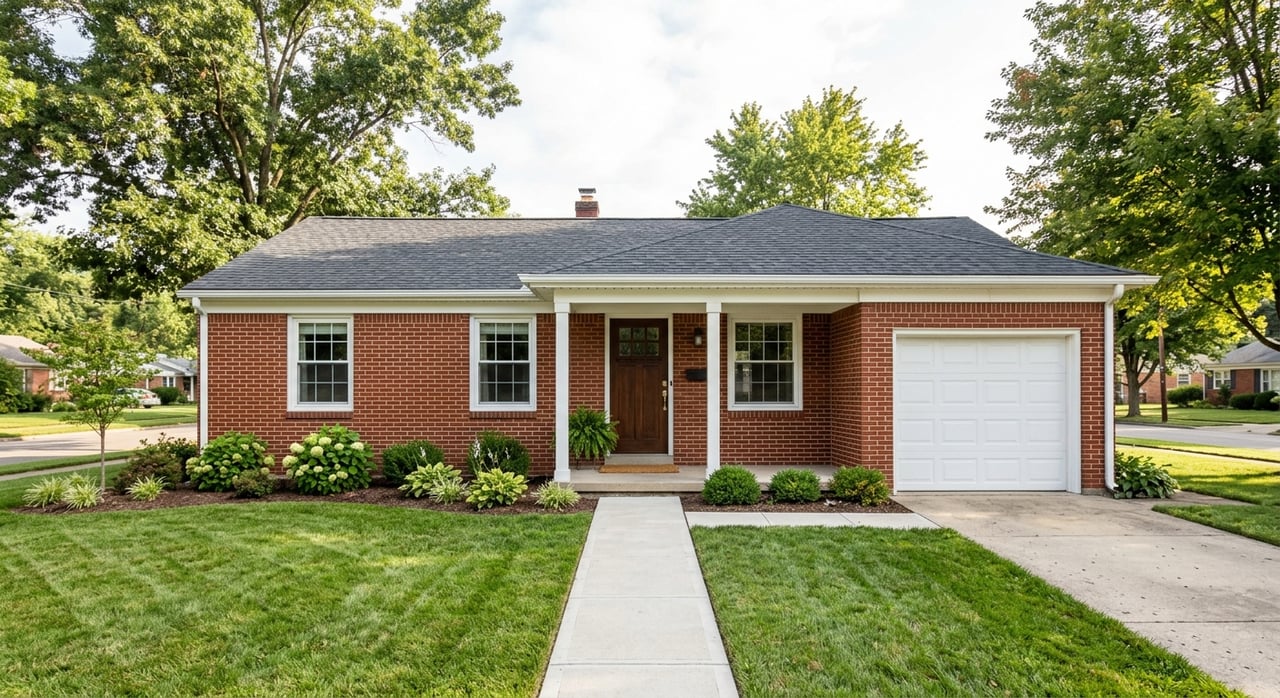
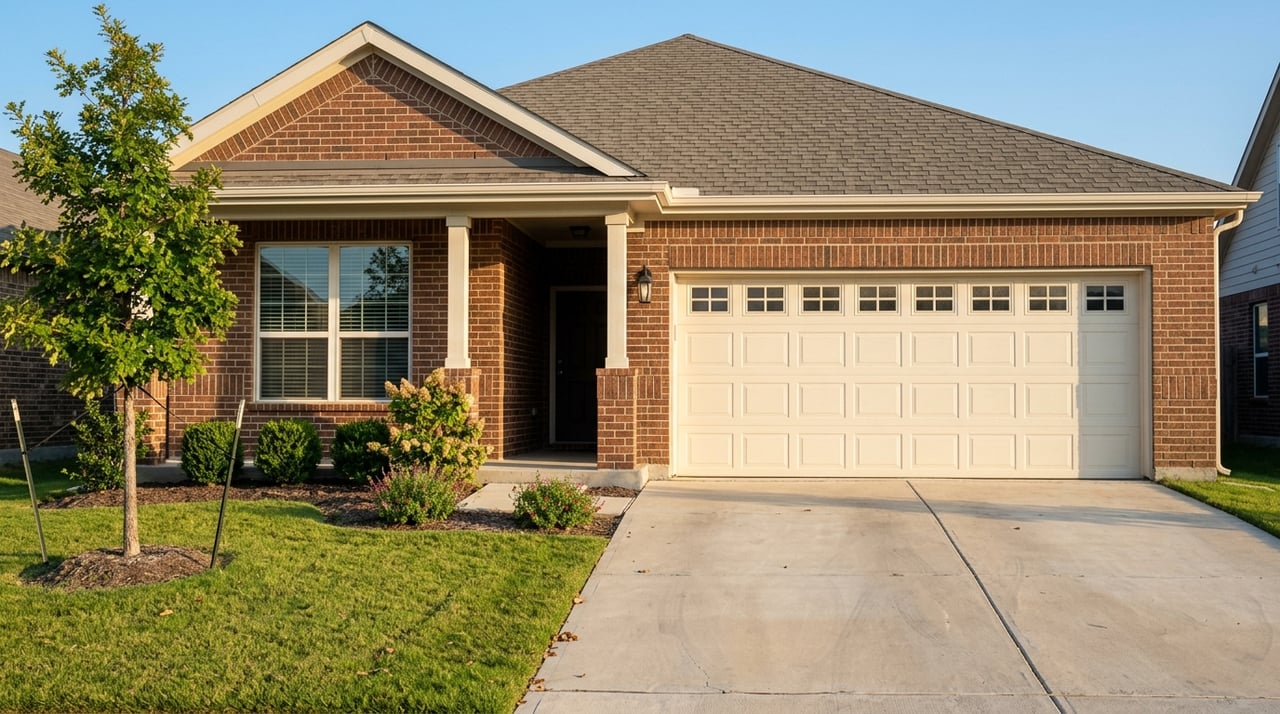
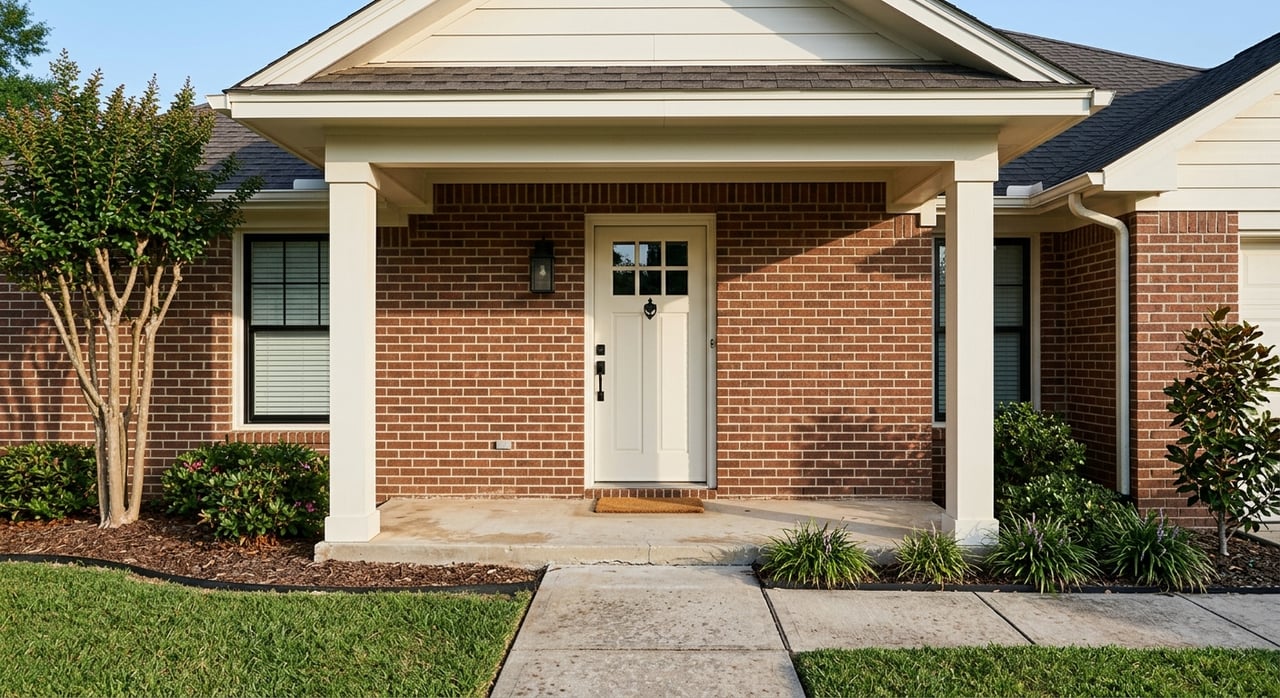
If your goal is to find the most affordable starter-home options, the clearest value map is simple: start with North Tulsa, West Tulsa, and East Tulsa. These areas tend to offer older bungalows, ranch-style homes, and smaller single-family properties at lower prices than many suburban markets.
In general, closer-in Tulsa neighborhoods can give you a lower purchase price, while outlying suburbs may offer more space but usually at a higher cost. For many first-time buyers, that tradeoff is worth understanding early.
Northside Tulsa had a median sale price of $135,000 in March 2026, with homes averaging 37 days on market. That makes it one of the strongest places to look if keeping your monthly payment low is your top priority.
City planning material for the 36th Street North corridor describes a strong affordable single-family residential component, with many typical ranch-style houses. In practical terms, you may find that this area gives you some of Tulsa’s lowest entry prices, but many homes are older and may need updates or ongoing maintenance.
If you are open to putting in some work over time, North Tulsa can be one of the most budget-friendly starting points in the city. If you want something fully updated on day one, you may need to be more patient or adjust your expectations.
West Tulsa is another smart place to search for affordable starter homes. Westside Tulsa posted a median sale price of $177,500, while Gilcrease Hills was $190,834 and Owen Park was $117,000.
Owen Park stands out for buyers who like older homes with character. City historic-preservation material describes it as a bungalow-heavy, low-density neighborhood with a 1920s middle-class character. That often means smaller homes, vintage details, and lower prices, but also the possibility of repairs, cosmetic updates, or less predictable finish levels.
If you like the idea of a classic bungalow and want to stay close to the city core, West Tulsa deserves a close look. It can offer strong value, especially if you are comfortable with an older home.
East Tulsa gives buyers another close-in option with more approachable pricing than many suburbs. Eastside Tulsa had a median sale price of $187,500, while Kendall-Whittier came in at $182,000.
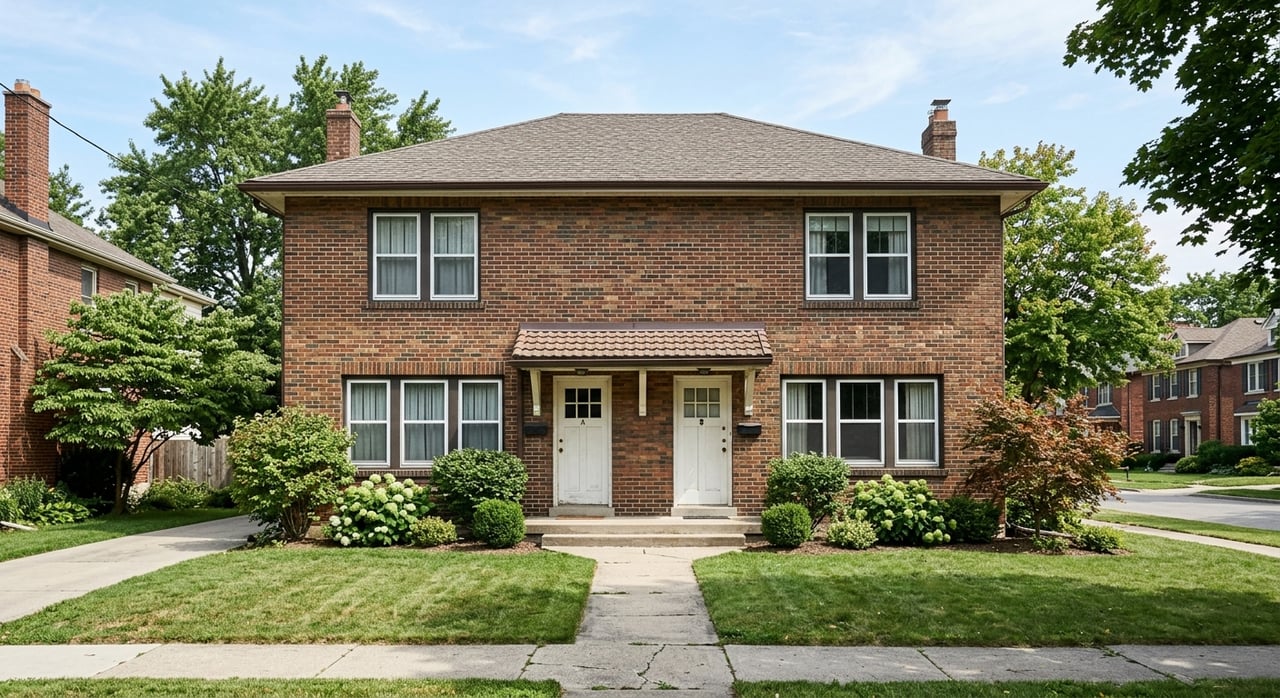
City planning documents describe Kendall-Whittier as a mix of older single-family and small multi-family housing, including 1920s- and 1930s-era brick bungalows, wood-framed bungalows, and postwar red-brick ranch homes. That mix can be appealing if you want a neighborhood with older housing stock and a range of price points.
Mid Tulsa showed a median sale price of $112,500, but that figure came from only one sale in March 2026. Because of that, it is better to treat Mid Tulsa as a less stable data point rather than a clear benchmark.
For many buyers, East Tulsa works well when you want lower prices without going all the way to a farther suburb. It can be a practical middle ground between budget and location.
Affordable starter homes often come with tradeoffs, and in Tulsa that usually means age and condition. In older areas like Owen Park and Kendall-Whittier, you may see more variation from one home to the next in updates, maintenance needs, and overall finish level.
That does not mean these areas are bad choices. It simply means your search should focus on value, repair tolerance, and realistic expectations about what your budget can buy.
A lower list price may leave room for improvements over time. For some buyers, that is a smart path into homeownership. For others, a slightly higher price for a more move-in-ready home may feel more manageable.
Starter-home buyers sometimes assume lower-priced homes will be easier to land, but that is not always true. Northside Tulsa averaged 37 days on market, Eastside Tulsa 32 days, Westside Tulsa 40 days, and Kendall-Whittier just 22 days.
That means you may need to act quickly when the right home appears. The best approach is to know your budget, narrow your target areas, and be ready to tour homes as soon as they hit the market.
Fast-moving inventory is one reason working with a responsive agent matters. When you are shopping in a competitive price range, delays can cost you options.
If you are open to living outside Tulsa proper, a few nearby suburbs still offer paths into homeownership. In most cases, you will pay more than you would in Tulsa’s lowest-priced neighborhoods, but you may also see different home sizes and layouts.
Sand Springs had a median sale price of $250,000 in March 2026. Even so, recent sales included starter-sized homes in the high-$100,000s to low-$200,000s, including a 3-bedroom, 1-bath home with 1,112 square feet and a 4-bedroom, 2-bath home with 1,184 square feet.
Sapulpa posted a median sale price of $228,000, and recent sales included a 3-bedroom, 2-bath, 1,672-square-foot home at $257,500. These markets can work well if you want more house than you may find in some close-in Tulsa neighborhoods, while still staying within a moderate budget.
Broken Arrow’s citywide median sale price was $304,000, so it is more of a mid-market option overall. Still, some areas remain more starter-home accessible, including Central Park Estates at $214,000 and Steeplechase at $264,900.
Owasso was $307,442 citywide, but lower entry points still showed up in neighborhoods like Ator Heights, with median listing prices around $205,000, and Three Lakes, with a median sale price of $213,000. If you want suburban living, it can make sense to search specific pockets instead of judging the whole city by its overall median.
Glenpool had a median sale price of $286,495, though lower-end sales still appeared, including a 3-bedroom, 1-bath, 1,029-square-foot home at $180,000. That makes it more mid-range than bargain territory.
Bixby at $328,500 and Jenks at $379,000 are usually stretch markets for true starter-home budgets. Lower-priced homes can still pop up, but they are less likely to be your best first stop if affordability is the main goal.
If upfront costs are your biggest hurdle, Oklahoma Housing Finance Agency programs may help. OHFA offers statewide down payment assistance for first-time and repeat buyers, with up to 3.5% of the loan amount available for down payment and closing costs.
The Oklahoma Housing Stability Program offers 5% assistance for qualifying homes. Programs like these can make a meaningful difference if you have the income to support a monthly payment but need help covering cash due at closing.
Tulsa’s zoning updates may also help affordability over time. The city now supports a broader mix of smaller housing types in some areas, including cottage homes, patio homes, duplexes, triplexes, quadplexes, and Neighborhood Infill Overlay options intended to reduce barriers to smaller-scale housing.
If you are trying to buy your first home without stretching too far, start with the places most likely to match your budget. North Tulsa, West Tulsa, and East Tulsa are the strongest first-tier options for lower prices inside the city.
From there, look at Sand Springs and Sapulpa if you want to compare suburban options. If your budget has a little more room, selected pockets of Broken Arrow and Owasso may also be worth watching.
The key is to stay flexible. You may need to choose between price, condition, location, and move-in readiness. When you understand that tradeoff upfront, it becomes much easier to spot a home that is truly a good fit.
If you want help comparing resale homes, understanding value by neighborhood, or exploring affordable paths that fit your timeline, Ericka Sumo is here to guide you with clear advice and responsive support.
Stay up to date on the latest real estate trends.
Etiam non quam lacus suspendisse faucibus interdum. Orci ac auctor augue mauris augue neque. Bibendum at varius vel pharetra. Viverra orci sagittis eu volutpat.