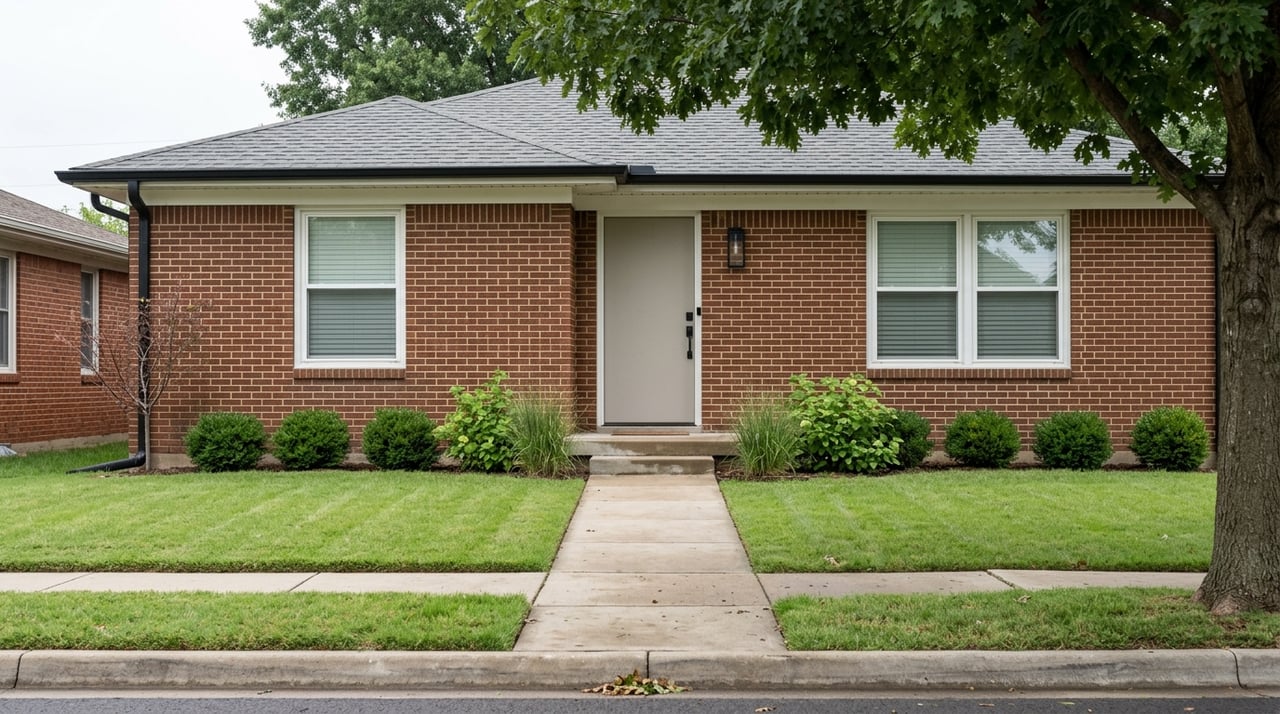
Weekend Guide To Edmond For New And Future Residents
July 9, 2026
July 9, 2026
Thinking about moving to Edmond and only have a weekend to figure out if it fits your life? The good news is that Edmond is easy to sample in a short trip, thanks to its location at I-35 and Historic Route 66, a walkable downtown, and a strong mix of parks, lake access, and community events. If you want a practical feel for daily life here, this guide will help you use your time well and spot the places that matter most. Let’s dive in.
If you are new to Edmond, a short visit can still tell you a lot. The city has a compact downtown area, a well-known park system, and recurring events that make it easier to experience both everyday routines and community activity in one trip.
Downtown Edmond is a strong starting point because it features more than 75 shops and businesses, including boutiques, antique shops, restaurants, and regular events. That gives you a simple way to gauge how walkable, active, and convenient the city feels when you are considering a move.
A smart way to structure your visit is to keep it simple. Focus on one downtown morning, one park or lake afternoon, and one flexible event slot that depends on the calendar.
That format helps you see Edmond from a few useful angles. You get a feel for local businesses, public spaces, and the kind of community activities that shape weekend life for residents.
Begin your first morning in Historic Downtown Edmond. Café Evoke is a locally owned coffee and brunch spot, and Sweet Friends Bakery is a locally owned bakery café known for craft coffees and fresh-from-scratch sweets.
Starting here does more than fill your schedule. It gives you a natural chance to slow down, observe the pace of the area, and picture what a normal Saturday might feel like if you lived nearby.
After breakfast, spend time exploring downtown on foot. Bluebird Books offers a low-key browse stop and describes itself as a community bookstore in Downtown Edmond.
As you walk, pay attention to the mix of shops, parking, sidewalks, and public gathering areas. For many future residents, this kind of street-level visit is one of the fastest ways to decide whether a place feels comfortable and convenient.
Two worthwhile downtown stops are the 1889 Territorial School and the Edmond History Museum. The territorial school is presented as the earliest one-room schoolhouse in Oklahoma Territory, and the museum preserves more than 39,000 photographs, documents, and artifacts in the historic Old Edmond Armory.
These stops help add context to the city beyond new development and shopping. If you are relocating, understanding a place’s history can make the city feel more grounded and easier to connect with.
Finish your downtown loop at Stephenson Park, which sits next to the museum. It is Edmond’s oldest park and includes an open event space, pavilion and stage, playground, picnic areas, basketball, and a renovated historic rocketship art piece.
This is a useful stop because it shows how downtown blends activity with public space. You can see whether the area feels like somewhere you would return to for a quick outing, an event, or a relaxed afternoon.
If your trip lines up with a community event, make room for it. Heard on Hurd takes place on third Saturdays from March through October with food trucks, shopping, and live music. The Saturday farmers market operates at Festival Market Place downtown, and the Edmond Arts Festival takes place the first weekend in May.
A well-timed event can show you a more complete version of Edmond. You will get a better sense of how active the community feels when residents are out enjoying public spaces together.
For dinner, consider the Icehouse Project just west of downtown. This urban redevelopment setting includes covered patios, a kids’ play area, and several restaurants in one location.
That setup makes it a practical evening stop, especially if you are visiting with family or want a casual way to wrap up the day. It also gives you another look at how Edmond mixes newer gathering spaces with established parts of town.
On your second day, begin with coffee and then head to Mitch Park. This 280-acre park includes five miles of paved multi-use trails, two playgrounds, a disc golf course, two basketball courts, an exercise station, a volleyball court, a skate park, an amphitheater, and an athletic complex.
If you want to understand everyday quality of life, parks matter. Mitch Park can help you picture weekend routines, outdoor time, and how much space Edmond offers for recreation and casual family outings.
If you are visiting between Memorial Day weekend and Labor Day, you can add a seasonal stop. Pelican Bay Aquatic Center includes a pool, water slides, a climbing wall, and a spray ground. Barnett Field Splash Pad is another warm-weather option near the downtown and central area.
These kinds of stops are useful if you are visiting with children or simply want to see how the city supports seasonal recreation. Even a short visit can help you decide whether Edmond matches the pace and lifestyle you want.
For a more outdoors-focused afternoon, Arcadia Lake is one of the strongest nature stops in Edmond. The lake offers picnicking, camping, swimming, boating, disc golf, hiking, biking, equestrian trails, and fishing access.
If lake access is important to you, this stop can say a lot about the area. The boating information notes ramps at Central State Park, Edmond Park, and Spring Creek Park, which also gives you a sense of how the lake is used across different access points.
If you want one more central park stop before heading home, E.C. Hafer Park is another solid option. It includes 1.5 miles of paved multi-use trails, three playgrounds, a kids’ fishing pond, a stage, and an athletic complex.
This park offers a slightly different feel from Mitch Park while still helping you evaluate everyday amenities. Comparing a couple of parks can give you a better sense of which parts of Edmond may fit your routine best.
Edmond’s event calendar is one of its biggest advantages for a scouting weekend. The farmers market is indoors at Mitch Park in winter and outdoors at Festival Market Place from May through November. Heard on Hurd runs on third Saturdays from March through October, and Concerts in the Park takes place at Stephenson Park on summer Thursday evenings.
Other recurring or seasonal events include LibertyFest, Storybook Forest at Arcadia Lake in October, Deck the Downtown during the holiday season, and Luminance at Mitch Park. The Blue Hippo Festival is another newer event tied to the Edmond History Museum and Stephenson Park, with free family activities, performances, and art programming.
If your schedule is flexible, try to visit during one of these event weekends. You will likely see more of Edmond’s community energy than you would on a quieter weekend.
Downtown Edmond is the city’s pedestrian-friendly core, and the city describes it as a place to live, shop, relax, and enjoy an urban lifestyle. The city also notes ongoing reinvestment through master planning and TIF efforts, with new commercial, residential, and mixed-use development expected in the core.
For some buyers, that means downtown may feel especially appealing if you want easier access to shops, public spaces, and local events. It is worth driving and walking the nearby blocks so you can compare the core with surrounding in-town areas.
Rossmore District sits just north of downtown and UCO and includes tree-lined streets and many of Edmond’s earliest homes, including one built in 1890. Highland Park is one of the city’s first neighborhoods and is also closely tied to downtown and UCO access. Sunset lies southwest of downtown and includes some of Edmond’s oldest and newest homes, infill development, and a notable concentration of manufactured housing units.
These details are helpful because Edmond does not feel the same in every direction. A weekend visit is a good time to notice how housing style, street layout, and proximity to downtown shift from one area to another.
The Edmond Plan describes Suburban 1 neighborhoods as primarily residential areas built from the 1960s through the 1980s, mostly within three miles of downtown. These areas are usually dominated by single-family detached homes, with some townhomes, duplexes, and newer apartment complexes at the edges.
The city’s Village Low category allows a more compact mix that can include townhomes, garage apartments, duplexes, tri- and quad-plexes, and cottage-court-style single-family homes. East of I-35, the East Edmond 2050 Plan emphasizes diverse housing and development types while preserving open space and rural character.
For future residents, that means Edmond can offer a range of housing settings depending on your budget, timeline, and preferences. If you are comparing resale homes, land options, or manufactured-home possibilities in the broader area, noticing these patterns can help you ask better questions during your search.
Before you arrive, decide what matters most to you. You may care most about commute access, parks, walkability, housing variety, or how active the city feels on weekends.
As you explore, keep your schedule light enough to actually observe the area. Sit in a coffee shop, walk through a park, and spend time driving between districts so you can feel the changes from downtown to more suburban or edge areas.
A weekend will not answer every question, but it can give you a strong first impression. In Edmond, that first impression is often clearest when you balance downtown, outdoor space, and one event-driven stop.
If you are planning a move and want help narrowing down areas, comparing housing options, or understanding how Edmond fits into your budget and timeline, Ericka Sumo can help you build a practical, low-stress plan.
Stay up to date on the latest real estate trends.
Etiam non quam lacus suspendisse faucibus interdum. Orci ac auctor augue mauris augue neque. Bibendum at varius vel pharetra. Viverra orci sagittis eu volutpat.