Everyday Life In Shreveport: Housing, Commutes, And Amenities
June 11, 2026
June 11, 2026
Wondering what day-to-day life in Shreveport really feels like before you move or buy? If you are comparing cities, balancing budget with convenience, or trying to picture your weekly routine, the details matter. From housing choices and commute times to parks, culture, and travel access, Shreveport offers a practical lifestyle that can work well for many buyers and relocators. Let’s dive in.
Shreveport has the feel of a regional city that stays functional without feeling oversized. It is not built around long, exhausting metro commutes or a dense, transit-first layout. Instead, everyday life tends to be shaped by local driving, established neighborhoods, and a mix of work, errands, and recreation that is easy to fold into your week.
For many buyers, that balance is a big part of the appeal. You can find a housing market still centered on detached homes, get around the city through major highways, and enjoy a range of parks and attractions without needing the scale of a much larger metro. If you want a city that feels manageable, Shreveport stands out for that reason.
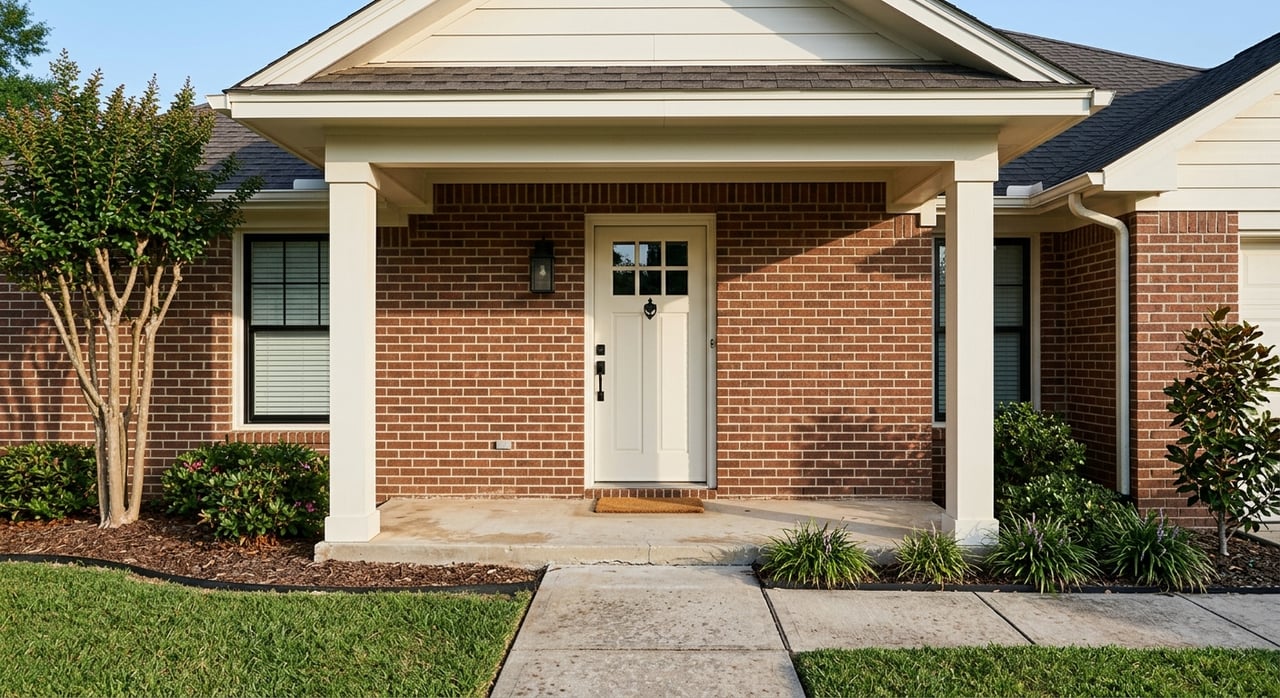
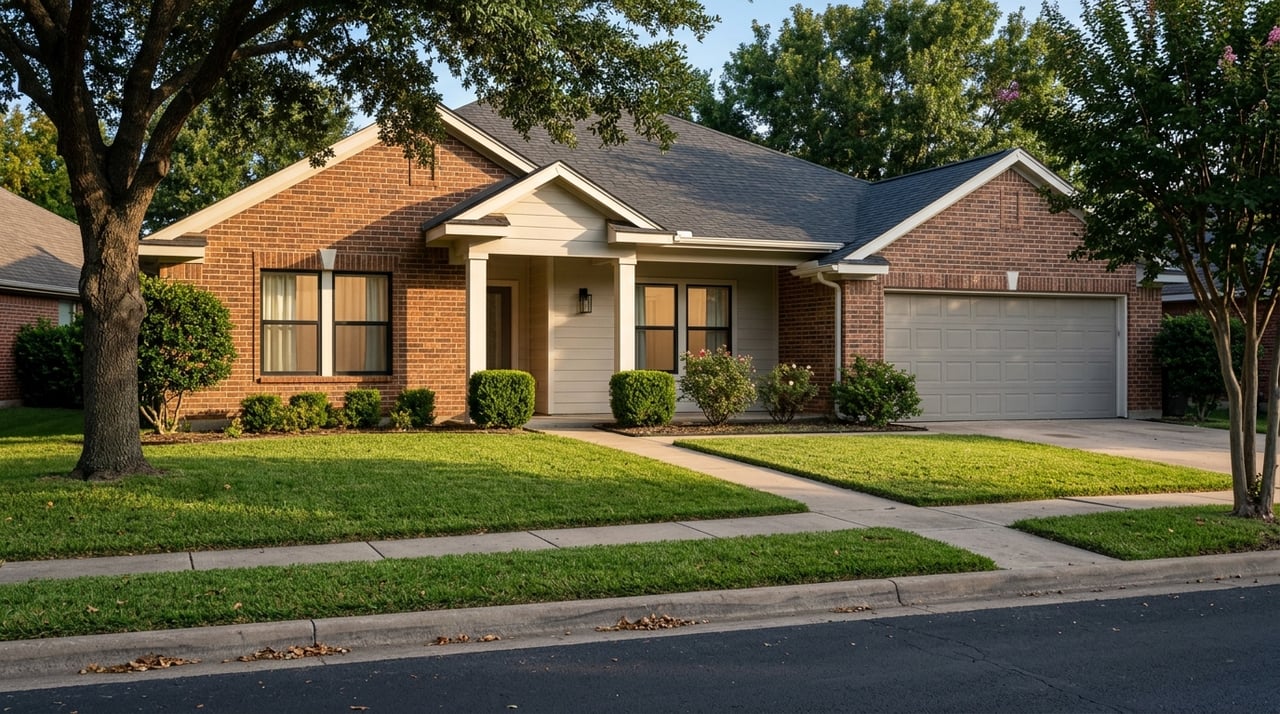
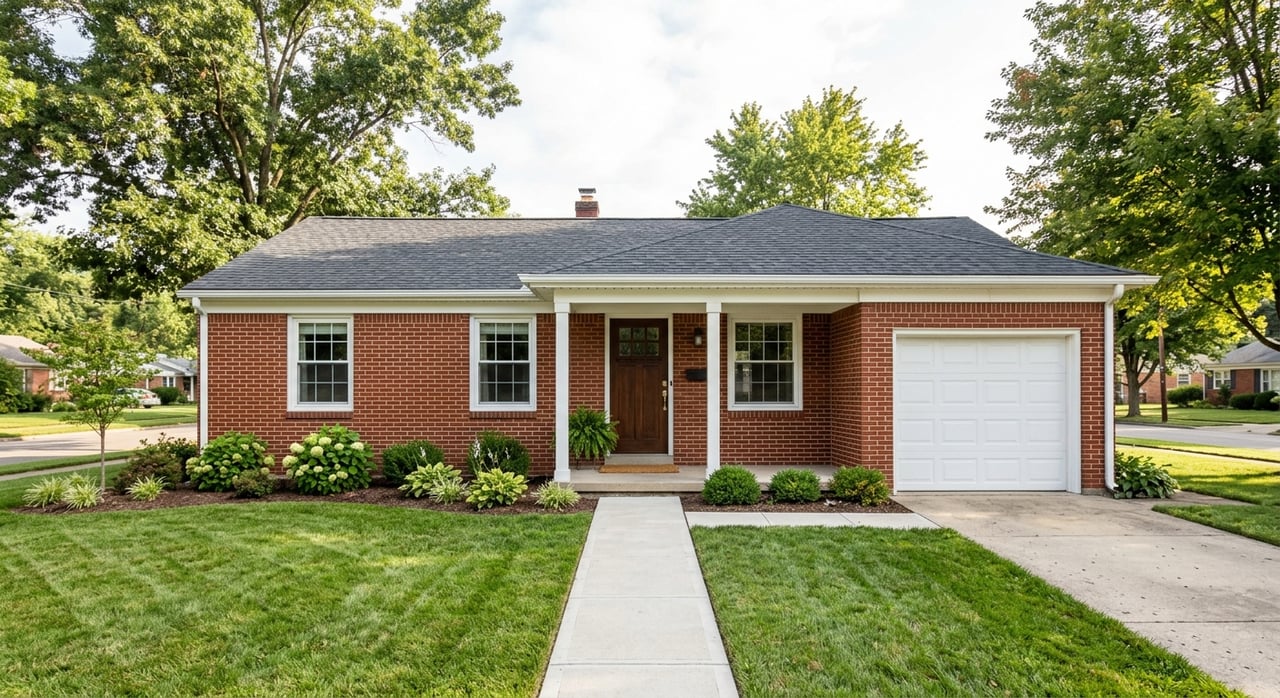
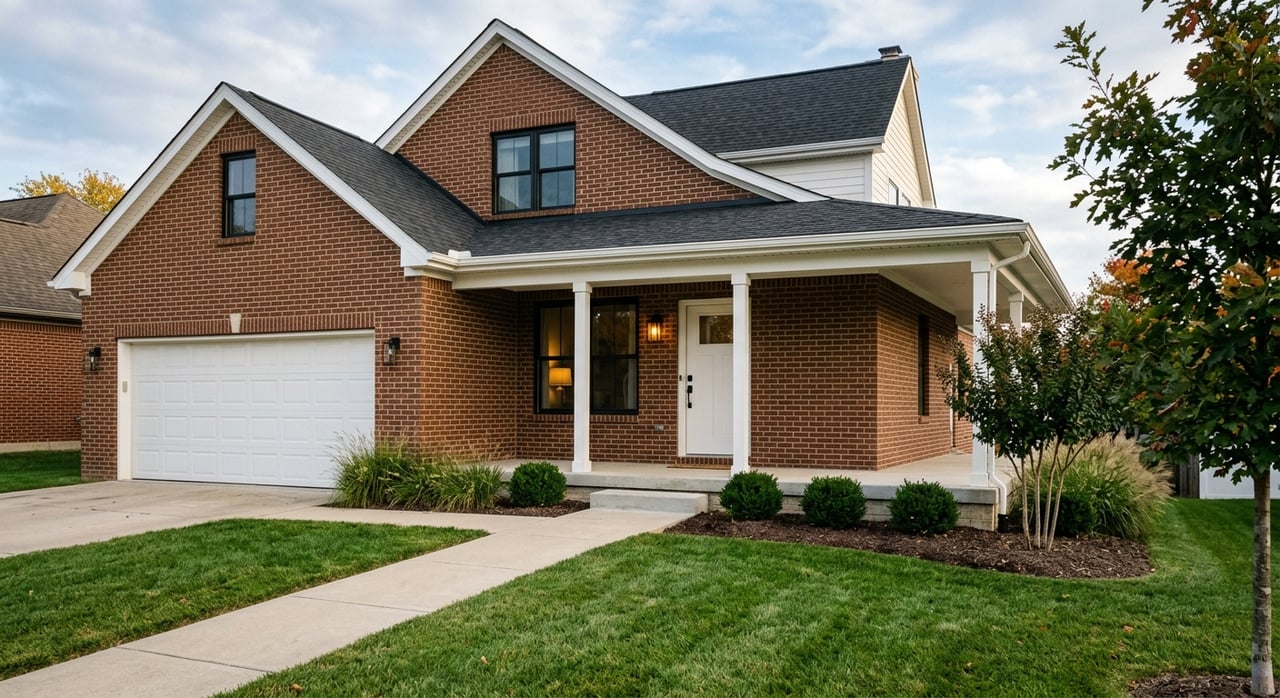
Housing in Shreveport is still led by single-family homes. The city’s 2024-2028 Consolidated Plan reports that about 70% of the housing stock is detached single-family, with the rest made up of attached homes, small multifamily properties, larger apartment buildings, and a small share of mobile-home or other unit types.
That mix gives you options, but it also tells you something important about how the city lives. In many parts of Shreveport, the everyday pattern is still tied to neighborhoods of standalone homes rather than high-density development. For buyers who want more traditional residential layouts, that can be a strong fit.
Census QuickFacts also show an owner-occupied housing rate of 53.3%, a median owner-occupied home value of $178,900, and a median gross rent of $987. Those numbers point to a market that can feel comparatively approachable for a city this size, especially if affordability is high on your priority list.
Even though detached homes dominate, the city is not one-note. Shreveport includes older areas with distinct architectural character, and the local historic register for South Highlands identifies styles such as Bungalow/Craftsman and Colonial Revival.
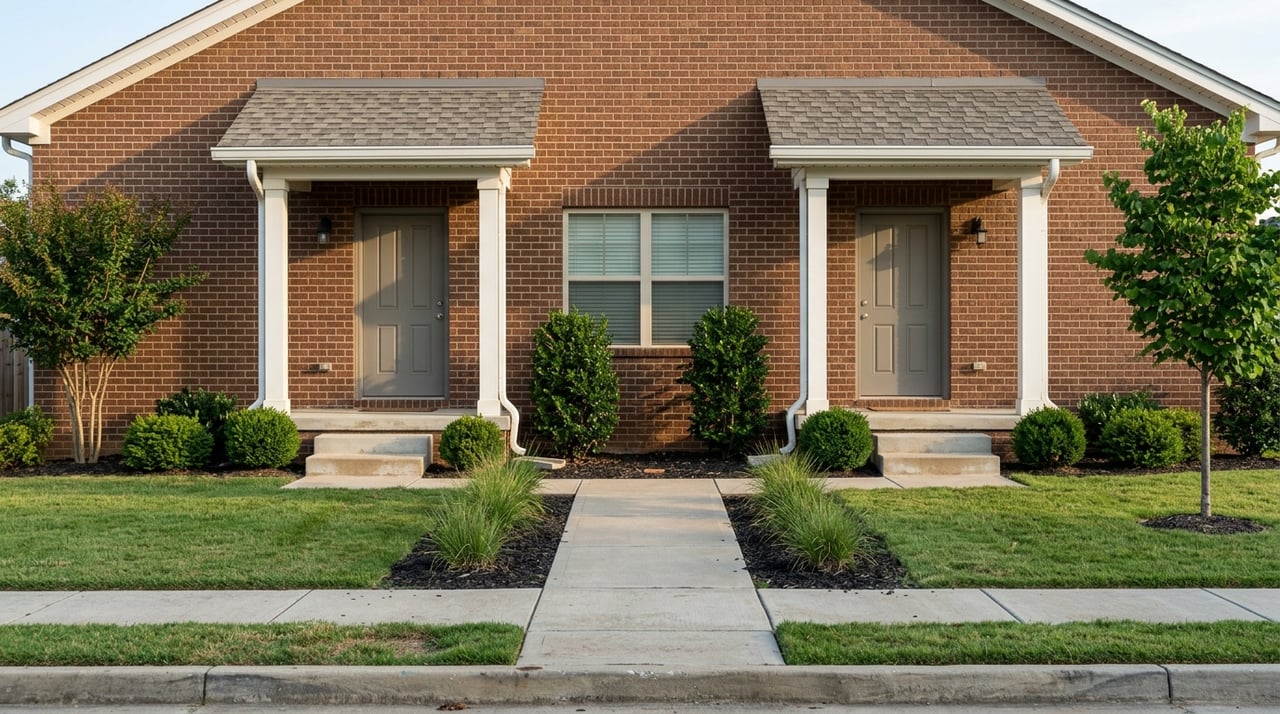
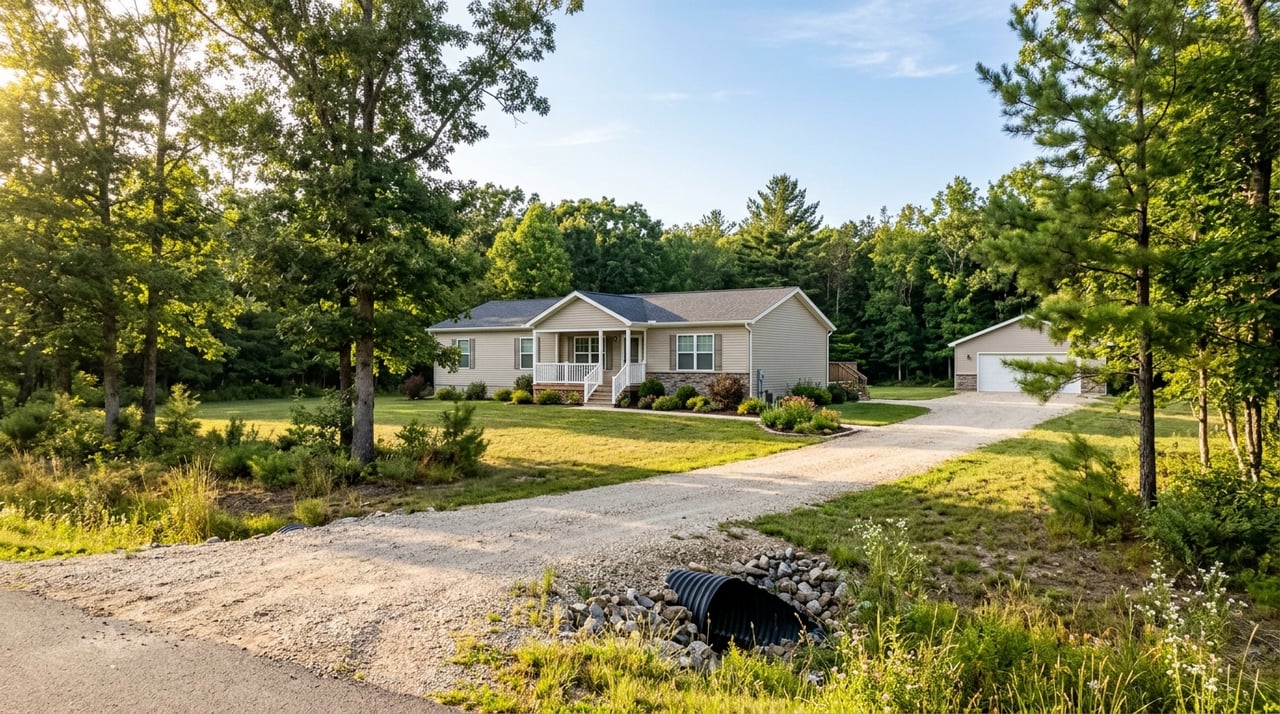
That means your search may include everything from more established homes with architectural detail to rentals, townhomes, condos, and multifamily options. The city’s rental registration rules specifically apply to single-family homes, duplexes, triplexes, fourplexes, manufactured homes, townhomes, condominiums, and apartments. For buyers and renters alike, that points to a housing landscape with more than one path.
If you are buying in Shreveport, your home search may feel more flexible than you expect. You may be comparing resale single-family homes, smaller multifamily properties, or other budget-friendly options depending on your goals.
For value-focused buyers, that matters. A market with a broad mix of unit types can give you room to compare price, lot size, upkeep, and commute convenience more carefully. That is especially helpful if you are relocating on a timeline or buying your first home.
One of the most practical parts of life in Shreveport is the commute. Census data show the average one-way commute is 18.8 minutes, which suggests many residents are making fairly short local trips rather than spending large chunks of the day in traffic.
That kind of drive time can shape your daily routine in a real way. Shorter commutes can mean easier school drop-offs, less stress getting to appointments, and more time at home after work. If you are used to bigger-city traffic, Shreveport may feel refreshingly manageable.
Shreveport’s transportation network is anchored by I-20 and I-49. The city’s economic development materials also highlight its airport and port infrastructure, reinforcing its role as a regionally connected city.
For everyday residents, that means you can usually move across the city and beyond it without a confusing road system. Highway access matters whether you are commuting, running errands, or heading out for regional travel. It is one of those details that quietly makes daily life smoother.
Several employment hubs shape how people move around the city. Major anchors include downtown Shreveport’s central business district, the Kings Highway medical corridor, the Port of Caddo-Bossier logistics complex, and Barksdale Air Force Base in the metro area.
Healthcare is a major part of the local employment picture. LSU Health Shreveport says it is home to the only allopathic medical school in north Louisiana, and its main campus is located on Kings Highway in Shreveport. Ochsner LSU Health also adds to the area’s medical and hospital activity.
For buyers planning around work, these anchors can help narrow your search. If you know where you need to be most weekdays, you can better match housing choices with the kind of routine you want.
Shreveport is not a transit-heavy city, but transit is still part of the picture. SporTran’s 2026 route list includes downtown service, Youree and Kings Highway, Line Avenue, West Shreveport, and a Shreveport Hub Connector, along with OnDemand service.
That gives residents another option for certain trips, even if most daily routines still revolve around driving. If you are planning a move, it is helpful to know transit exists without expecting a dense, big-city transit network.
Outdoor life in Shreveport is built less around one giant destination park and more around neighborhood-level amenities spread across the city. That can be a real advantage for daily life because recreation is often closer to home and easier to fit into your routine.
SPAR, the city’s parks and recreation department, manages a wide range of public spaces and facilities. According to the city budget, SPAR is responsible for parks, community centers, athletic facilities, cemeteries, flower beds, rights-of-way, and other municipal grounds.
In the 2024 budget, Shreveport reported maintaining 1,818 acres of parks, along with 43 playgrounds, 10 pools, 29 tennis courts, and 21 community centers. That is a broad amenity base for a mid-sized city and gives residents plenty of ways to stay active close to home.
If you are choosing where to live, these neighborhood amenities can affect your weekly quality of life just as much as headline attractions. A nearby playground, community center, or pool can make afternoons and weekends easier to plan.
For many households, convenience matters more than spectacle. Having recreation spread throughout the city supports a routine that feels practical and lived-in, not just attractive on paper.
Shreveport offers more to do than many people expect from a city its size. The city highlights venues and attractions such as Municipal Auditorium, the Shreveport Aquarium, Sci-Port Discovery Center, the R.W. Norton Art Gallery, and the Shreveport Symphony.
This mix gives the city a well-rounded feel. You can find family outings, arts and gardens, live performances, and nightlife options without needing to leave town. That variety can make a big difference once the novelty of a move wears off and you start building a real routine.
Sci-Port Discovery Center is a major downtown draw. It is a 92,000-square-foot science and entertainment center on the riverfront and includes Louisiana’s only IMAX Dome Theatre and the Sawyer Space Dome Planetarium.
The Shreveport Aquarium is another standout local attraction. Located on the Red River, it features about 300 species and 1,000 animals, giving residents an easy option for weekend outings and visiting guests.
If you prefer a slower pace, the R.W. Norton Art Gallery offers a different kind of amenity. Its museum and grounds are free to visit, and the gardens cover 40 acres.
That kind of space adds depth to daily life in the city. Not every outing needs to be high-energy or expensive. Sometimes a place to walk, look around, and reset is just as valuable.
Shreveport also has a leisure and entertainment side beyond daytime attractions. The city notes casino entertainment, live events, comedy, and themed programming among its options.
For residents, that means the city can support different kinds of schedules and interests. Whether you want something family-oriented, cultural, or more social in the evening, there is a wider range of activity than some buyers expect.
For work trips, family visits, and occasional getaways, airport access matters more than people often realize. Shreveport Regional Airport operates as a commercial small hub serving the city and the surrounding region.
That adds a layer of convenience to living here. Instead of driving to a larger metro just to catch a flight, you have a local airport option that can simplify business travel and personal trips.
For many people, yes. The city combines mostly detached housing, relatively short commute times, major highway access, neighborhood-based recreation, and a broad mix of cultural and family amenities.
The biggest takeaway is that Shreveport feels workable. It offers enough infrastructure and activity to support daily life without feeling overwhelming or overbuilt. If you are looking for a place where housing, commuting, and everyday convenience can stay in balance, Shreveport deserves a closer look.
If you are comparing neighborhoods, weighing affordability, or trying to decide between different property types in the Shreveport area, Ericka Sumo can help you sort through your options with clear, practical guidance.
Stay up to date on the latest real estate trends.
Etiam non quam lacus suspendisse faucibus interdum. Orci ac auctor augue mauris augue neque. Bibendum at varius vel pharetra. Viverra orci sagittis eu volutpat.