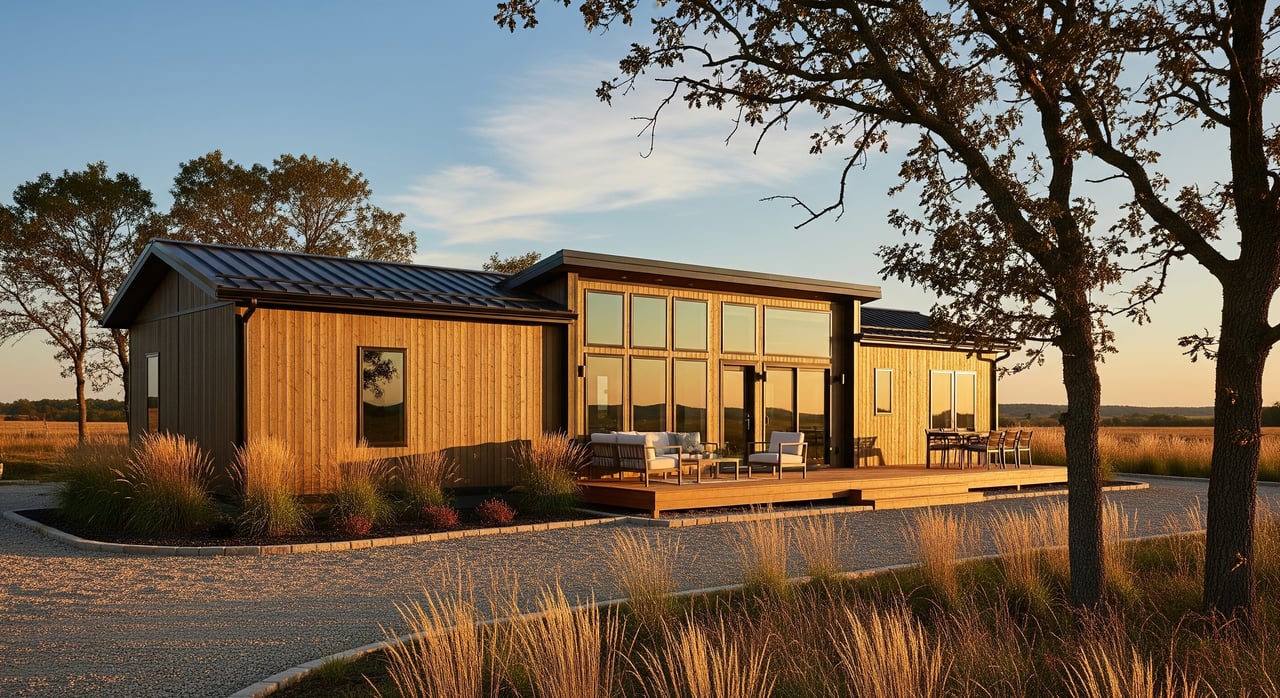
Guide to Buying Land for a Manufactured Home in Shawnee
December 18, 2025
December 18, 2025
Thinking about buying land and placing a manufactured home in Shawnee? You are not alone. Many buyers choose this route for space, value, and the freedom to design a home that fits their life. In this guide, you will learn how to choose the right parcel, check zoning, plan utilities, secure financing, handle permits, and manage delivery and setup. Let’s dive in.
Manufactured homes are factory-built to the federal HUD Code. They are delivered to your site and installed with required tie-downs and inspections. Modular homes are built to local or state building codes, then assembled onsite and usually treated as real property from the start.
You can keep a manufactured home titled as personal property, also called chattel, or you can permanently affix it to land and convert it to real property. This choice affects your loan options, taxes, insurance, and resale strategy. If you plan to use a traditional mortgage, most lenders will require a permanent foundation and conversion to real property.
Start by confirming whether the land sits inside Shawnee city limits or in unincorporated Pottawatomie County. Zoning and permitted uses differ. Inside the city, contact the City of Shawnee Planning and Building departments to confirm where manufactured homes are allowed and what setbacks apply. In the county, check with Pottawatomie County offices for land-use rules that may affect your placement.
Ask for current zoning for the parcel and verify whether individual lots allow manufactured homes or only manufactured home parks. Review any recorded covenants or HOA rules. Restrictive covenants can limit or prohibit manufactured homes, so obtain copies during the title search and review them before you commit.
Water can come from Shawnee municipal service in the city, a rural water district, or a private well outside city limits. If you plan a well, check permitting and required setbacks through the Oklahoma Water Resources Board and local county offices.
If the property is not served by municipal sewer, you will need an onsite septic system. Septic permits, soil evaluations, and system design are required through local health or state environmental offices. Electricity must be confirmed with the serving utility, and connection costs can be significant if lines are far from the site. For gas, many rural parcels use propane. If natural gas is available, confirm provider availability and connection charges. Also check broadband options, such as cable, DSL, fixed wireless, or satellite, since internet access can affect daily use and work.
Make sure you have legal access to the land. Delivery trucks need safe, passable roads and turning room. Plan for a driveway that can handle heavy equipment, and consider any culverts needed where the drive meets the road.
Review FEMA flood maps to see if any part of the site sits in a floodplain. Placement in a flood zone may require elevation and add insurance costs. Order a soil evaluation early to confirm septic suitability and understand excavation needs. Good prep here can prevent costly delays.
Site work can be straightforward on a city lot with existing utilities or more complex on a rural parcel. Costs vary by soil, distance to utilities, and driveway length. Plan for grading and tree clearing, driveway installation, the foundation or pad, skirting, septic design and installation, well drilling if needed, and utility extensions for electric, water, gas or propane, and internet. Ask local contractors for quotes before you finalize your budget.
You have two common paths:
Several programs may be available when the home and site meet program rules. USDA Rural Development can be a fit for eligible rural properties if the home is permanently affixed and meets standards. FHA and VA also offer options for qualifying manufactured homes, usually requiring a permanent foundation and treatment as real property. Conventional loans through Fannie Mae or Freddie Mac may be available with proper documentation and installation.
Be ready to share:
Getting these requirements clear with your lender early will help you avoid delays.
In Oklahoma, turning a manufactured home into real property generally requires a permanent foundation, surrender of the manufactured home title to the appropriate state office, and recording documents with the county to change how the home is taxed and insured. Work with the Oklahoma Tax Commission or tag office, the Pottawatomie County Clerk and Assessor, and your lender to follow the correct process. A current boundary survey is strongly recommended and often required. It shows setbacks, easements, and where the home can be placed to meet local rules.
Most projects need a building or installation permit, electrical and plumbing permits, a septic permit if applicable, and possibly a well permit. If you add a new driveway or culvert, a permit may be required. Inspectors typically check the foundation or piers, electrical and plumbing connections, septic installation, and final setup before issuing a certificate of occupancy or final approval. Scheduling varies, so plan one to four weeks for reviews and inspections.
Transporting a manufactured home usually requires oversize permits and route approval. Roads, bridges, and overhead lines can affect the route. Your dealer and transport company can help plan the path and timing, and they will coordinate permit requirements. Make sure your driveway and site are ready before the home arrives.
Foundation options include pier and beam on concrete pads, a slab, or a full perimeter foundation. Lender and code requirements will guide the choice. Proper tie-downs and anchors are required. Skirting helps protect utilities and improve efficiency. Keep all installation records and foundation certifications, since lenders and appraisers will request them.
Every site is different, but here are typical windows to plan for:
From land contract to move-in, many buyers see a 3 to 6 month path on straightforward sites. If you need a well, septic, long utility runs, or special approvals, plan for 6 to 12 months or more.
Buying a preowned home can lower your upfront cost and shorten your timeline. Older units may have higher maintenance needs or not meet current standards, and some lenders limit financing to chattel loans. Moving a used home to your land can add transport and inspection hurdles.
Ordering a new HUD-coded home gives you updated energy features, customization, and manufacturer warranties. With a permanent foundation and complete documentation, you may qualify for a mortgage with longer terms. Upfront costs are usually higher, and factory lead times can extend your schedule. Site work must be budgeted alongside the home price.
You do not have to manage this alone. With experience across Oklahoma and direct access to factory-built homes, you can get one point of contact for land search, model selection, financing coordination, and site setup. If you want a smoother path from land to move-in, reach out to Ericka Sumo. You will get fast responses, clear next steps, and a team that understands manufactured housing from order to installation.
Stay up to date on the latest real estate trends.
Etiam non quam lacus suspendisse faucibus interdum. Orci ac auctor augue mauris augue neque. Bibendum at varius vel pharetra. Viverra orci sagittis eu volutpat.