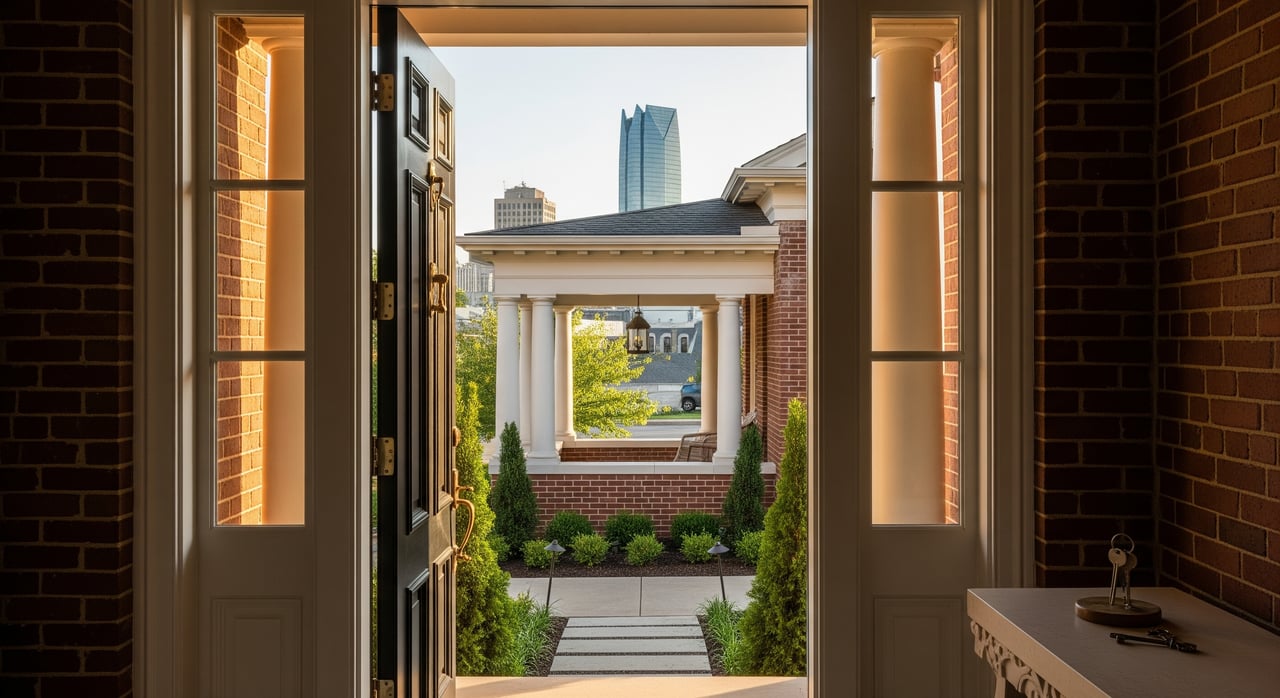
Clear Guide to Down Payment Assistance in Oklahoma City
December 4, 2025
December 4, 2025
Saving for a down payment can feel like the biggest hurdle between you and a home in Oklahoma City. If that sounds familiar, you are not alone. The good news is that real, practical down payment assistance exists in OKC, and you can use it to lower up‑front costs and move sooner. In this guide, you’ll learn what programs are available, who qualifies, how the process works, and smart ways to team up with an experienced lender. Let’s dive in.
Oklahoma buyers most often start with the Oklahoma Housing Finance Agency, known as OHFA. OHFA runs statewide programs that pair down payment help with compatible mortgages, like conventional, FHA, VA, or USDA when available through OHFA. Assistance is commonly a second mortgage that is deferred or forgivable, depending on current program rules.
You may also see city or county options. Oklahoma City’s housing and community development offices sometimes offer targeted assistance for low to moderate income buyers or for certain neighborhoods. These local programs can be seasonal or tied to funding cycles, so availability can change.
Federal loan types also play a role. VA loans often require no down payment for eligible veterans. USDA loans allow 0 percent down in specific geographic areas, which may include parts of the metro’s more rural outskirts. FHA and conventional loans can be paired with many DPA programs when the rules align.
Nonprofit organizations sometimes offer education, small grants, or matched savings. Groups such as NeighborWorks organizations, HUD‑approved counseling agencies, and local community development corporations may combine homebuyer classes with limited financial help. Employers and unions occasionally provide employee assistance. Always check whether programs can be combined, since some have stacking limits.
Most programs share a few common rules. Many target first‑time buyers, often defined as someone who has not owned a home in the last three years. Some make exceptions for buyers in certain areas or repeat buyers who meet other criteria.
Income limits and purchase price caps apply in most cases. These limits are usually tied to area median income and vary by household size, loan type, and county. Limits are updated regularly, so you will want to check the latest tables for Oklahoma County when you apply.
You must plan to live in the home as your primary residence. A homebuyer education class or counseling is commonly required, and you must meet the credit, debt‑to‑income, and documentation standards of the underlying mortgage.
Assistance can take different forms. It may be a deferred second mortgage with no monthly payment that is due when you sell, refinance, or pay off the first mortgage. Some programs offer forgivable loans that reduce over time if you stay in the home. Others provide true grants with no repayment, or soft seconds with minimal interest and small payments. Each option has specific rules about occupancy and resale.
Combining assistance is possible but not guaranteed. Some programs are designed to be used together, while others are not. OHFA assistance, for example, is designed to work with OHFA mortgage products through participating lenders. Your lender will confirm what can be paired with FHA, VA, or USDA loans and whether any gift funds are allowed.
Working with an approved, participating lender matters. Many programs require it, and experienced loan officers know how to structure your first mortgage and assistance package so it satisfies both investors and the program administrator. That experience can prevent hiccups with documentation, gift funds, or HOA and title details that otherwise slow things down.
Common loan pairings include conventional or FHA loans combined with state or local assistance, VA loans with compatible subordinate financing, and USDA loans for eligible addresses. Your lender will also explain any credit overlays, reserve needs, or appraisal standards that come into play when you use assistance.
What you should expect from your lending team: early eligibility screening, a clear plan spelling out which DPA you will use, a dedicated point person to handle paperwork, and a milestone checklist that keeps the contract on track.
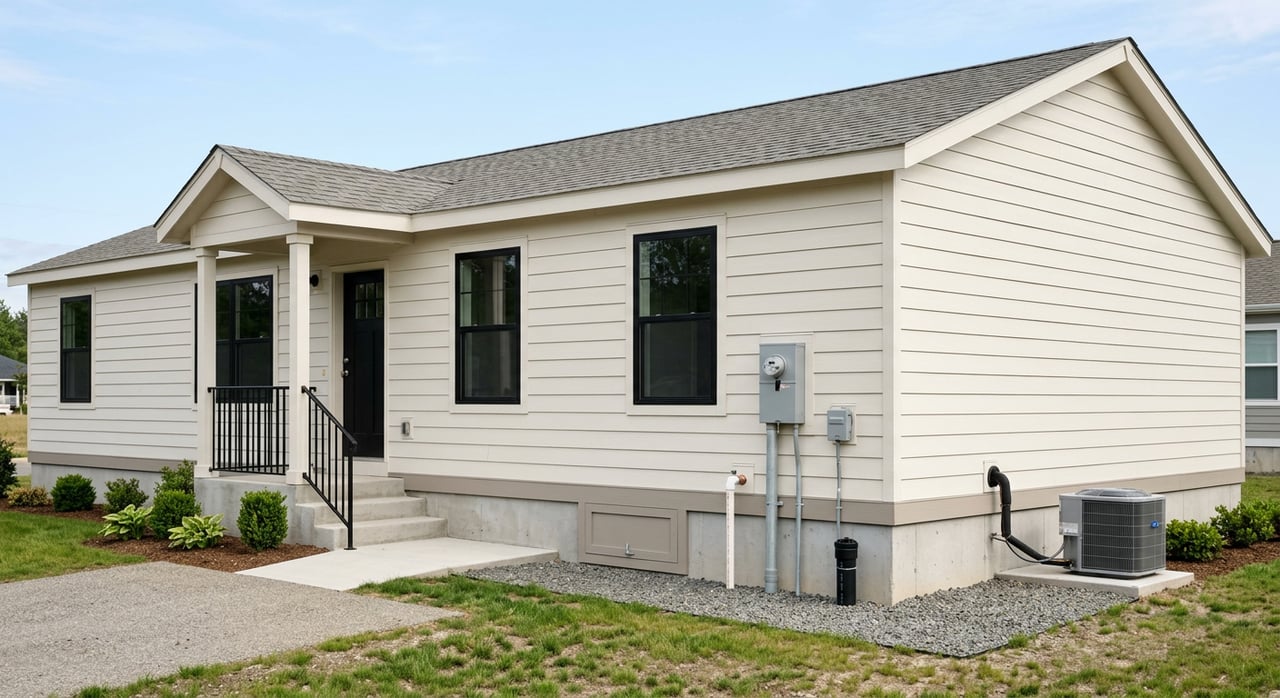
If you are considering a factory‑built or manufactured home, ask early whether the property type fits your chosen program and loan product. Some assistance options and investors have specific rules on property eligibility, appraisal standards, and titling. Coordination between your dealer, lender, and title company helps ensure the second lien and recording sequence are handled correctly. Confirm eligibility before you write an offer so your timeline stays on target.
Down payment assistance can make a meaningful difference in your upfront costs. The key is to confirm eligibility early, complete your education, and work with a participating lender that knows OHFA and local program rules. If you want a simple plan from preapproval to keys in hand, reach out for a quick consult and an introduction to proven local lenders.
Ready to get started? Connect with Ericka Sumo for friendly guidance, lender referrals that understand DPA, and a clear path to your new home in Oklahoma City.
Stay up to date on the latest real estate trends.


Etiam non quam lacus suspendisse faucibus interdum. Orci ac auctor augue mauris augue neque. Bibendum at varius vel pharetra. Viverra orci sagittis eu volutpat.